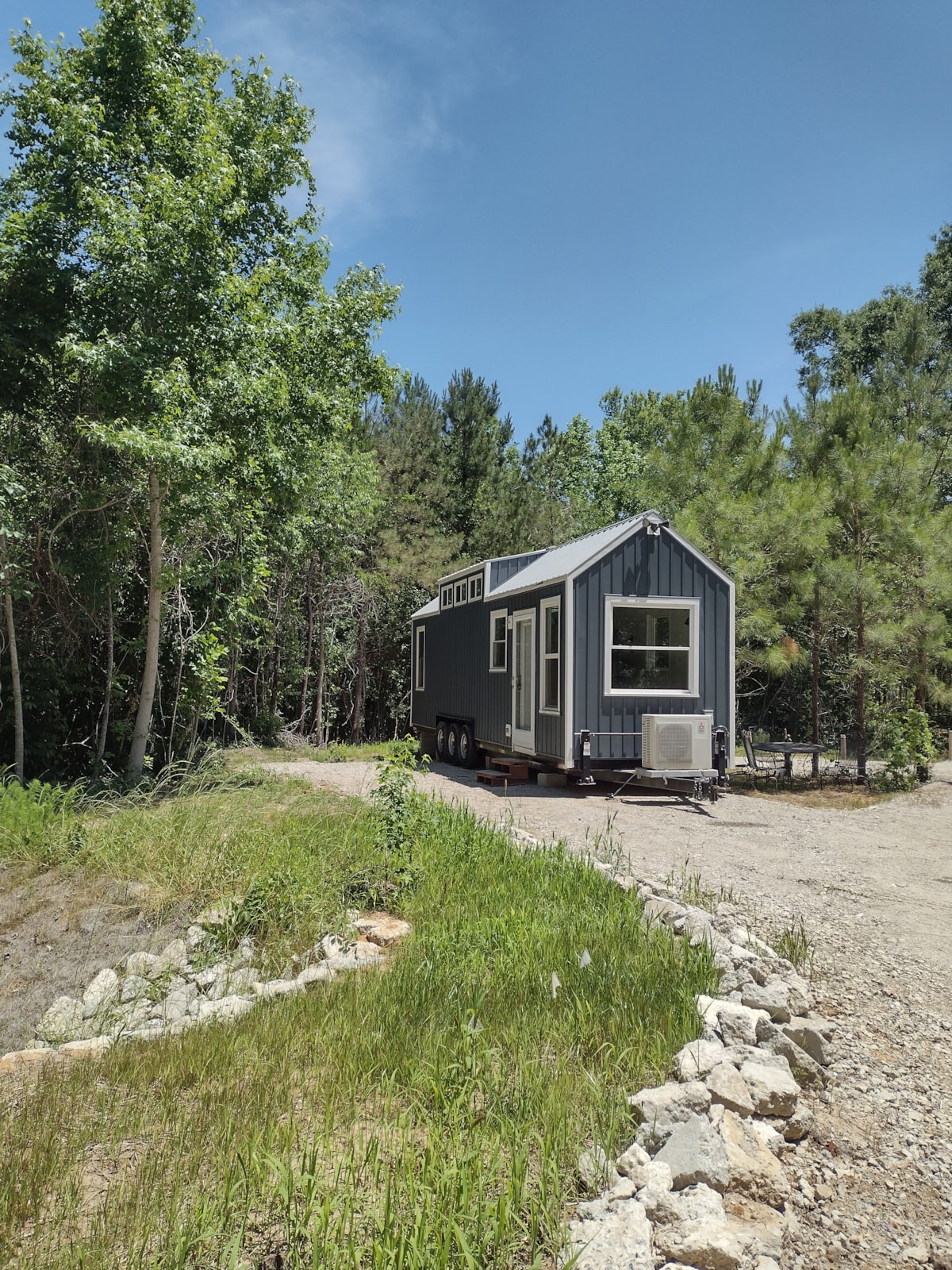
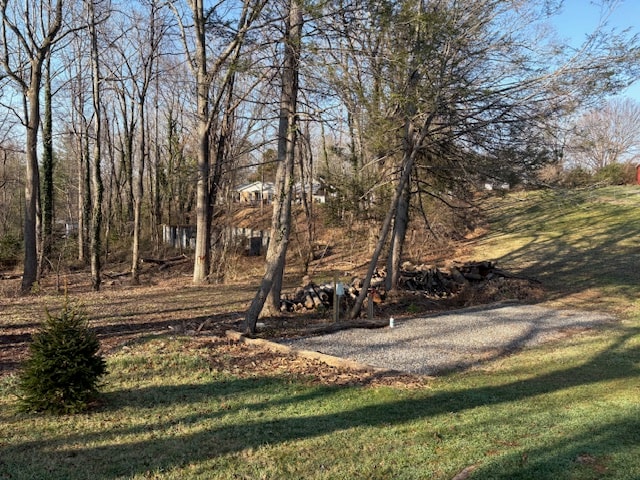
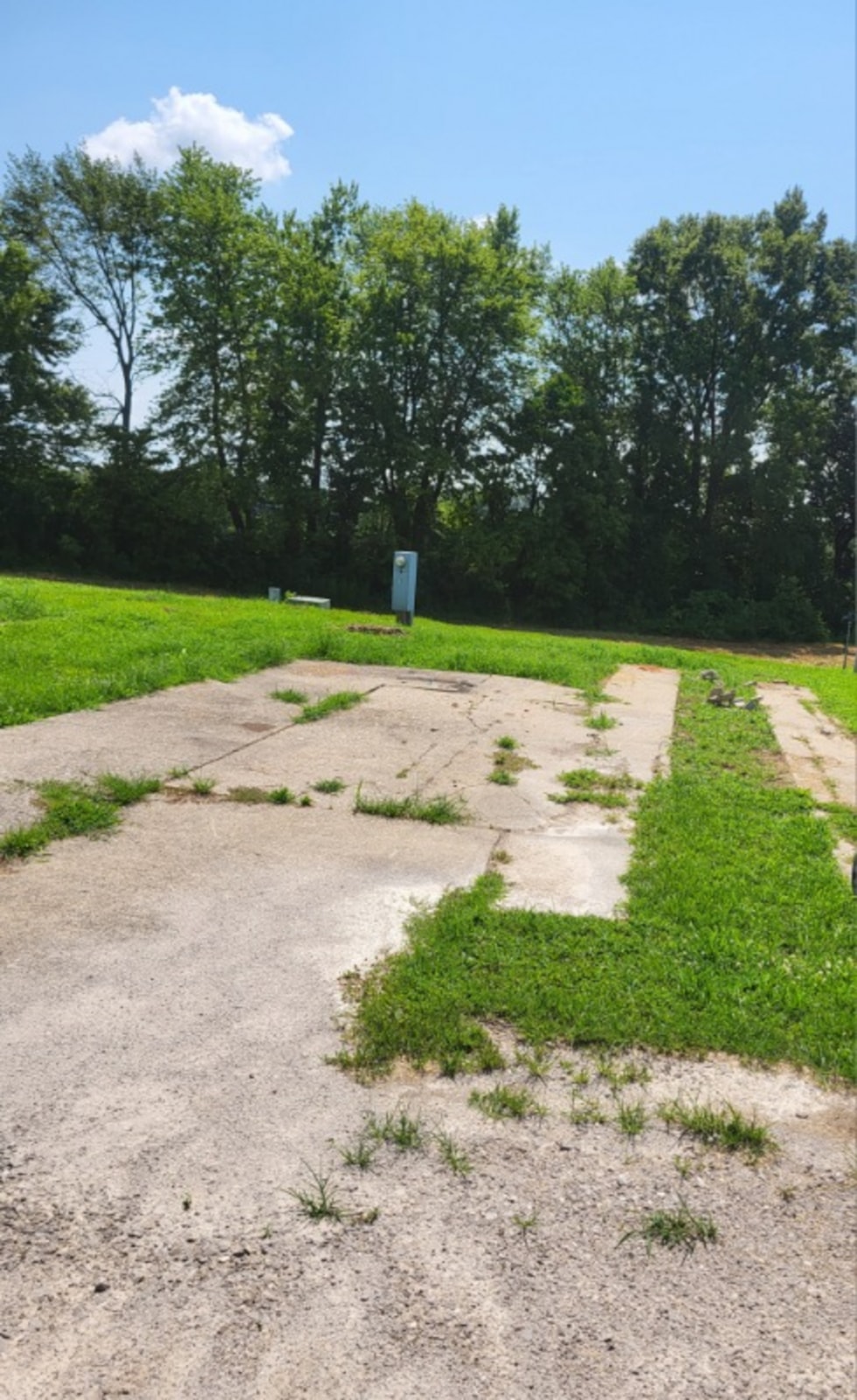
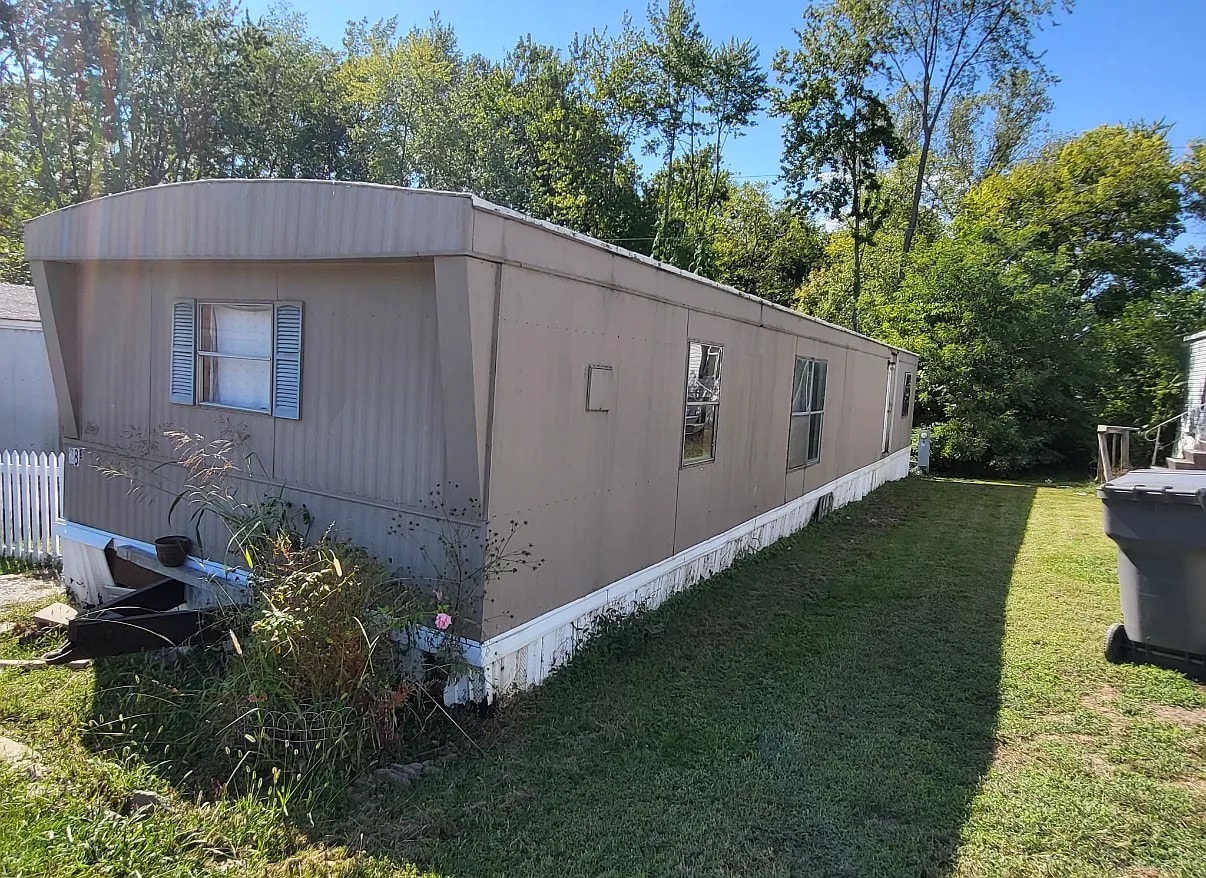
114 tiny house communities found. Filter the results or explore the map to discover your perfect tiny home.
114 tiny house communities found. Filter the results or explore the map to discover your perfect tiny home.
For most people the hardest part of going tiny isn't buying the house — it's finding somewhere to legally put it. Zoning rules in much of North America weren't written with tiny houses in mind, and a house that's perfectly well built can still be difficult to place. Tiny house communities exist largely to solve that problem: they're places where the question of whether you're allowed to live there has already been answered.
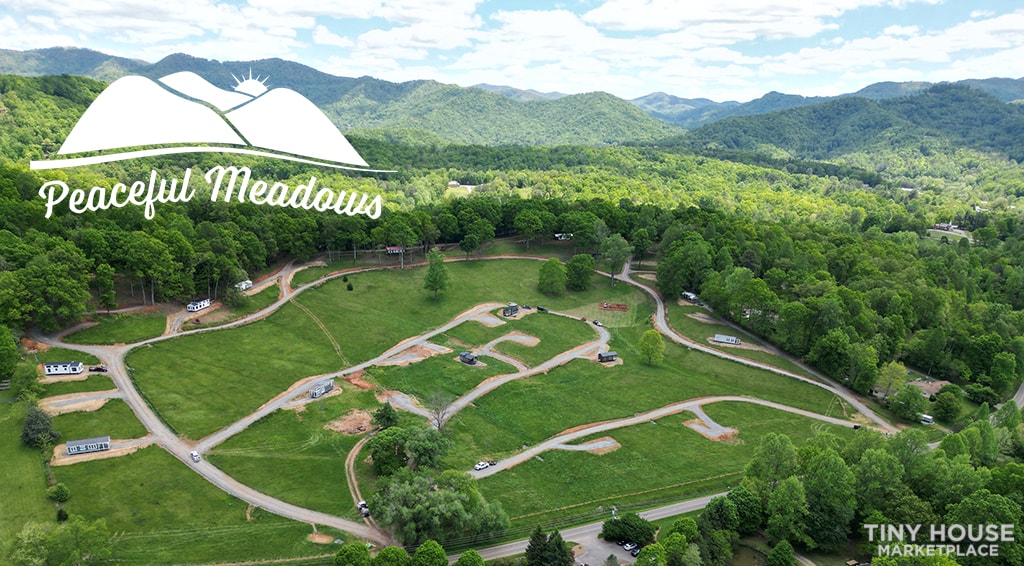
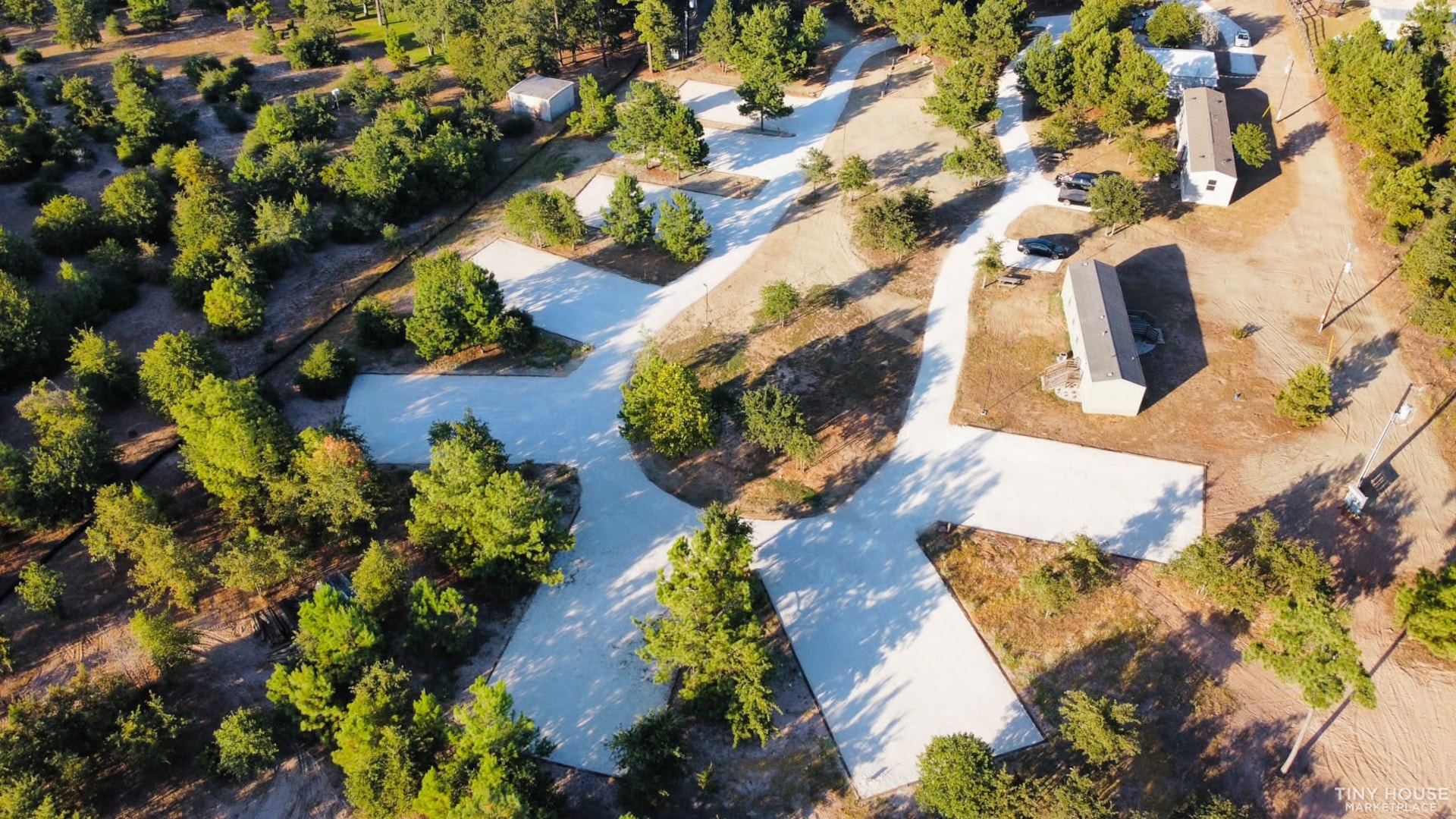
The listings above cover a fairly wide range. Some are purpose-built tiny house villages designed around small homes from the start. Others are established RV parks that welcome houses built on trailers, land-lease communities where you rent the lot your house sits on, or pocket neighborhoods of small permanent homes on their own foundations. They differ in how permanent they are, what kind of house they'll accept, and whether you end up owning anything besides the house itself — so it's worth being clear on which kind you're looking at.
Renting a lot is the lower-commitment path: less money up front, and it's far easier to leave if the community turns out not to suit you. The trade-off is an ongoing monthly cost that can rise over time, and you're not building any equity in the land. Buying a lot costs more at the outset and ties you to one spot, but it gives you more control and something that holds value. Neither is the right answer generally — it mostly depends on how settled you expect to be.
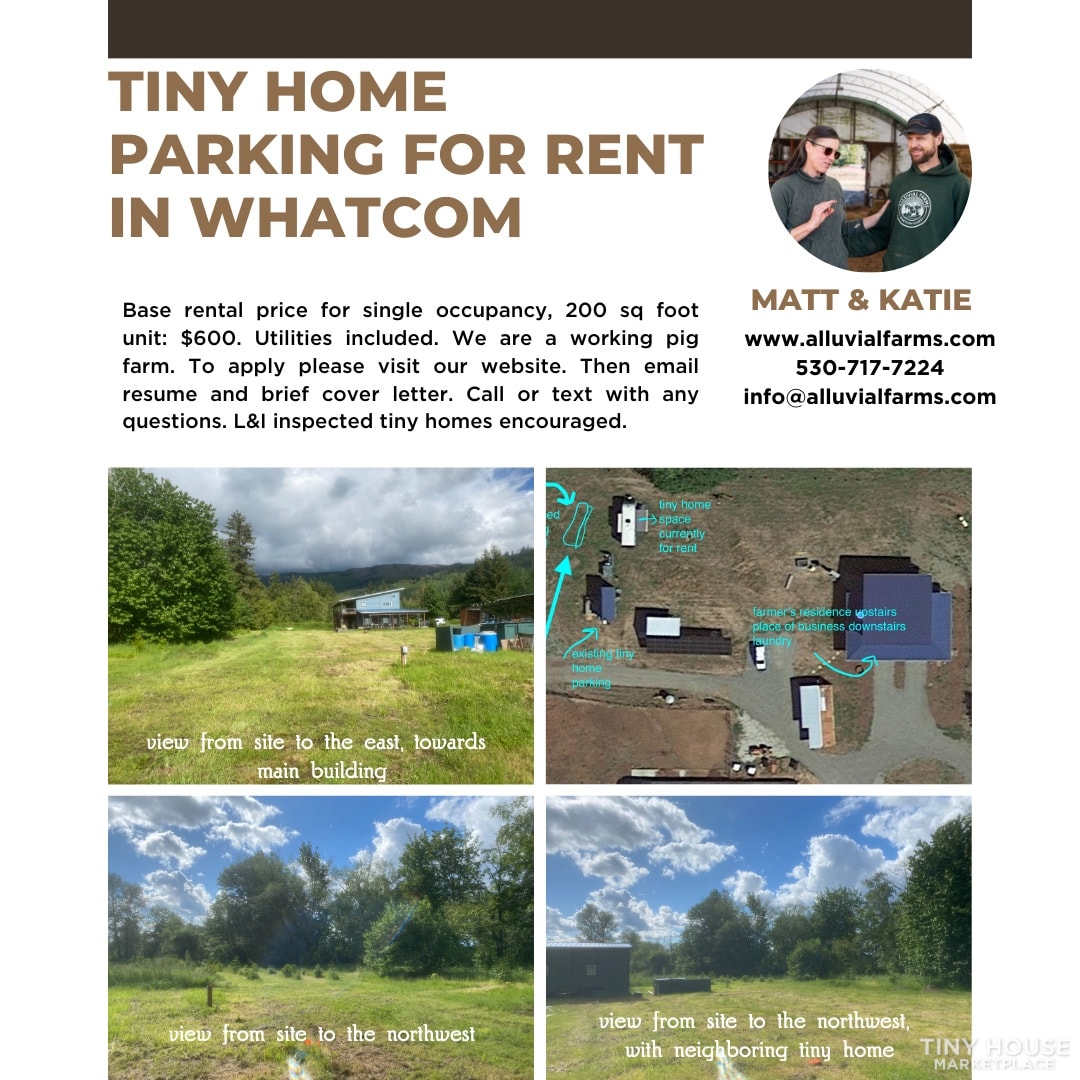
Most communities provide a prepared pad and utility hookups, and many add shared amenities — parking, laundry, common buildings, garden space, sometimes internet or trash service. What matters is which of those are covered by your rent and which are billed separately or metered. Ask for the full picture rather than the headline lot rent, since that's where the real monthly cost tends to hide.
Communities set their own rules, and those rules are what you'll actually live with day to day. Before you sign anything, it's worth knowing what types and sizes of house are accepted and whether any particular certification is required; whether there's an age limit on the house; how long the lease runs and how renewals and rent increases have been handled in the past; whether you can sell your house in place or would have to move it; and what the rules are around pets, guests, parking, subletting, and changes to the exterior. A community that answers these clearly and in writing is telling you something useful about how it's run.
It's much easier to buy a house that fits a community than to find a community that fits a house you already own. If you have somewhere in mind, check its requirements before you commit to a build — certification, size limits, and whether it's on wheels or a foundation are the usual sticking points. If you're still looking on both fronts, you can browse tiny houses for sale alongside these listings, see where communities cluster on the tiny house map, or read more in our tiny house articles.
If you run a community and want tiny house owners to be able to find it, you can add your community to the directory for free.